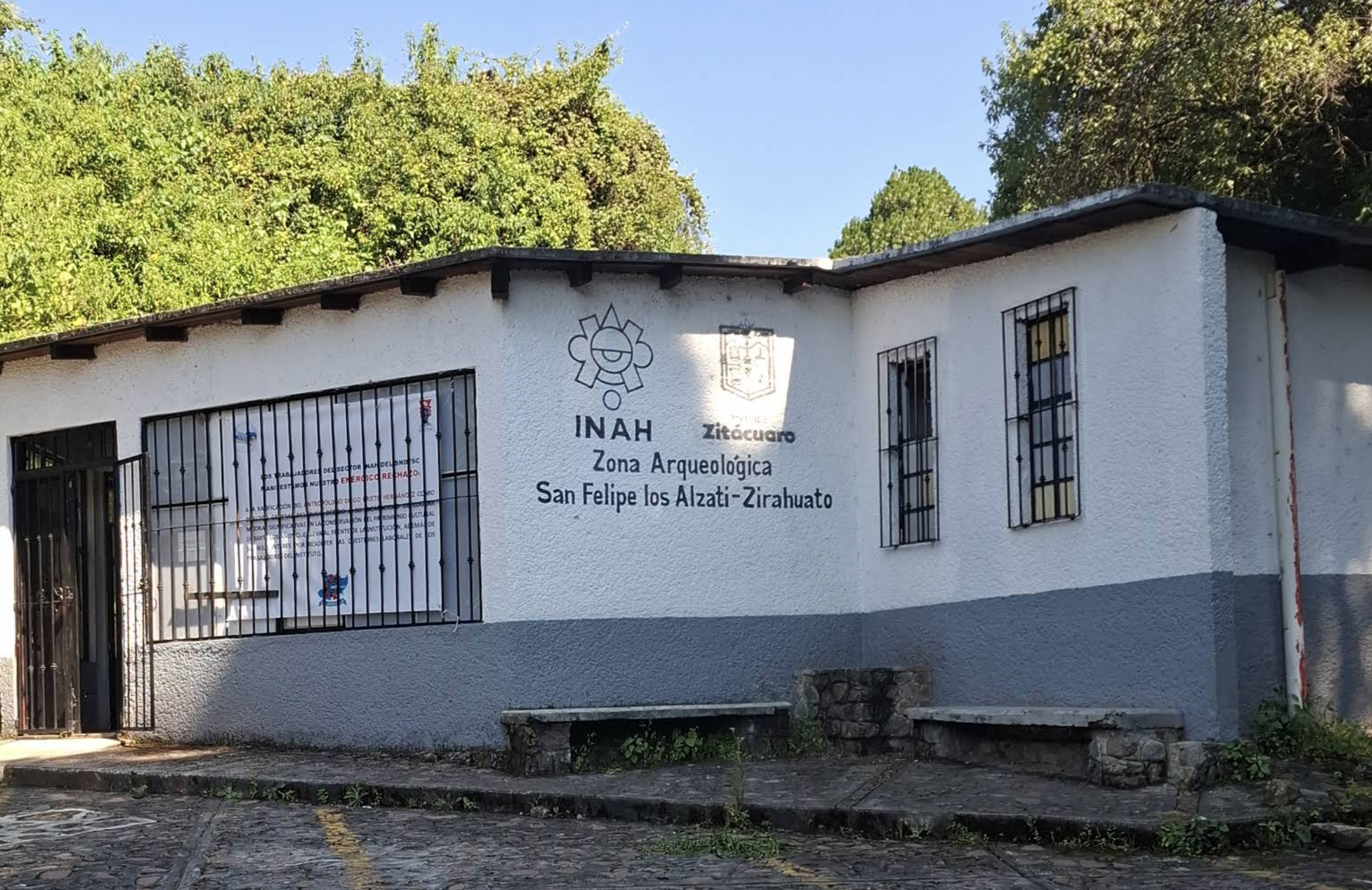
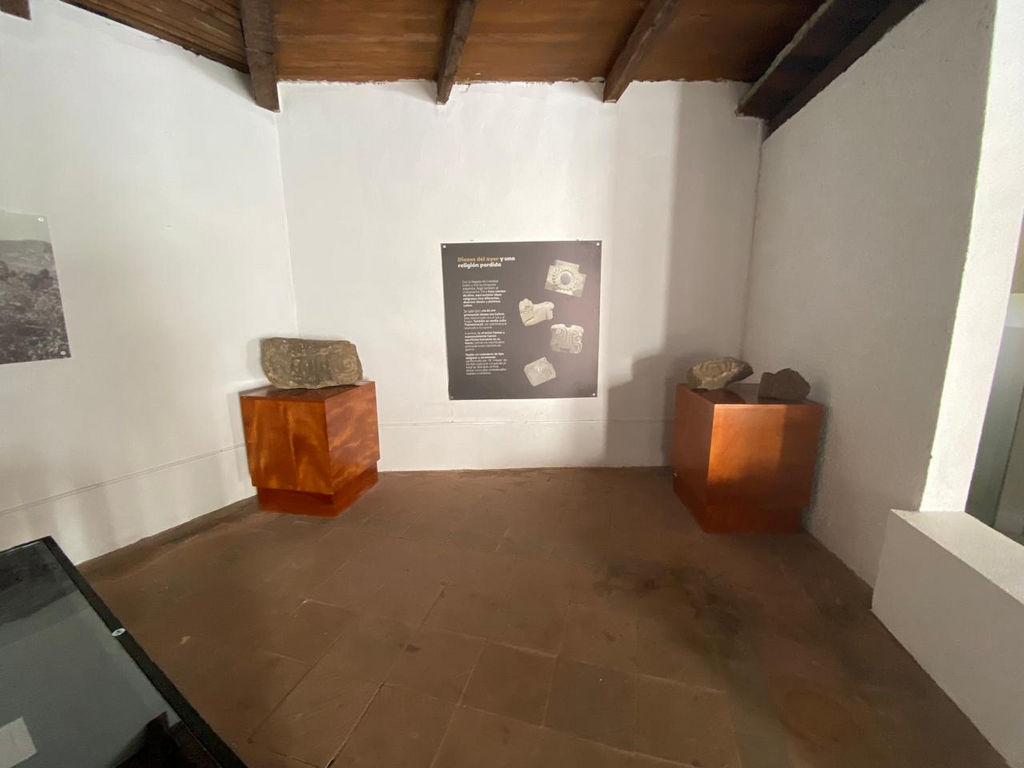








Sala Introductoria a la zona Arqueológica de San Felipe de los Alzati
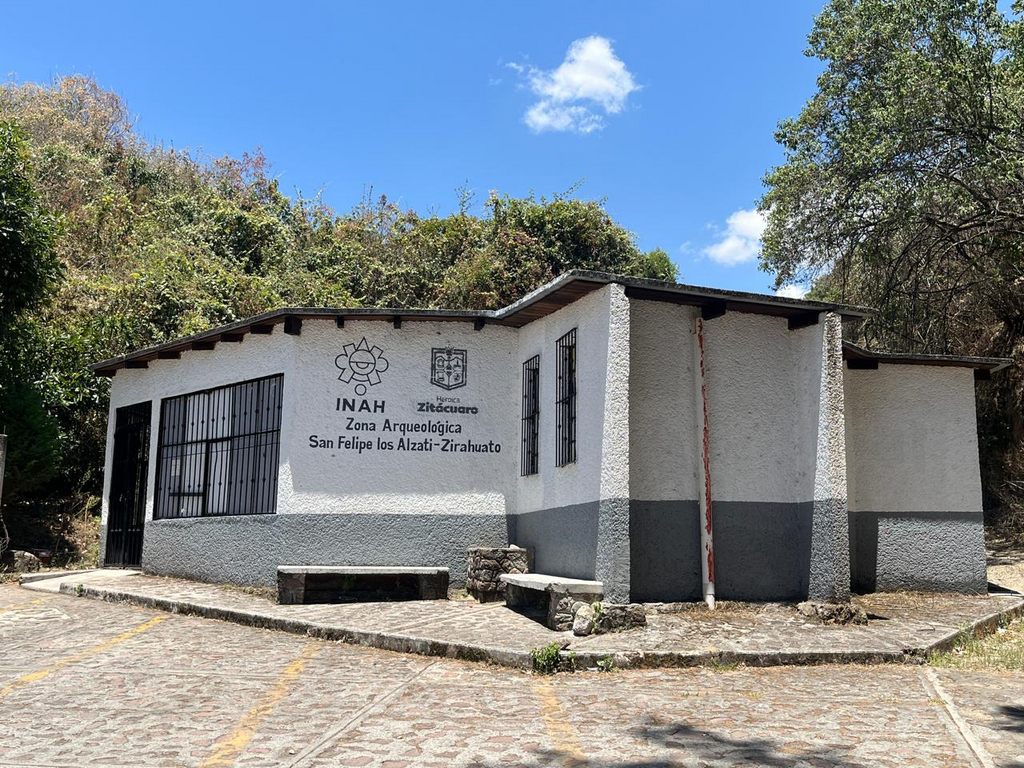
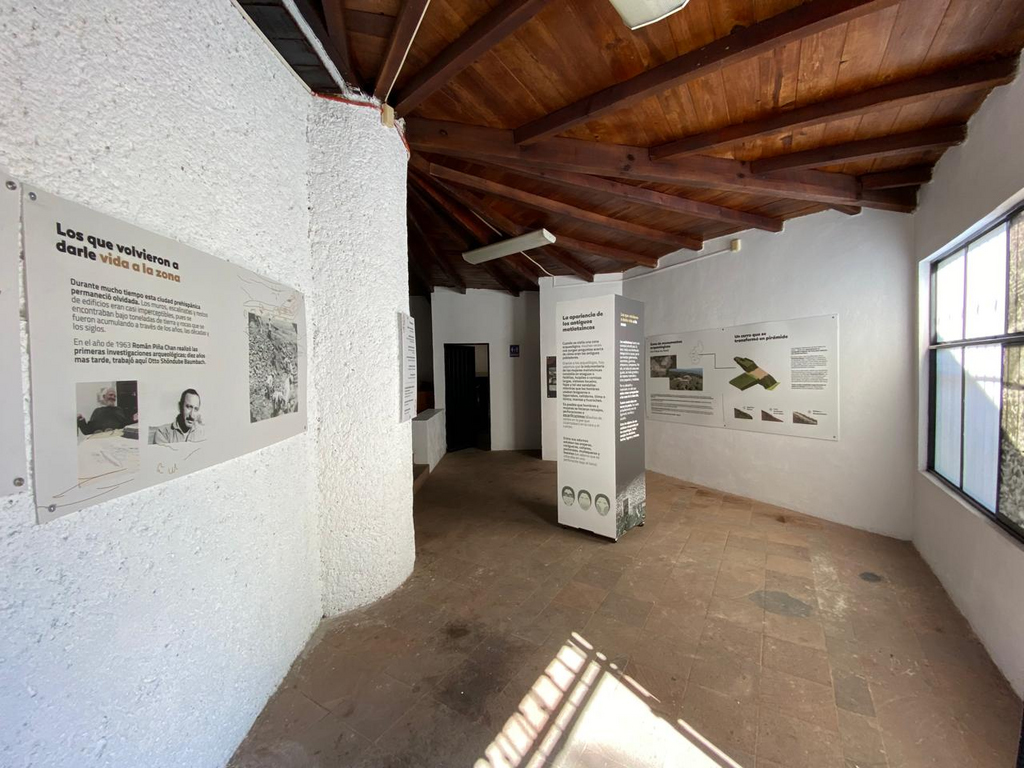
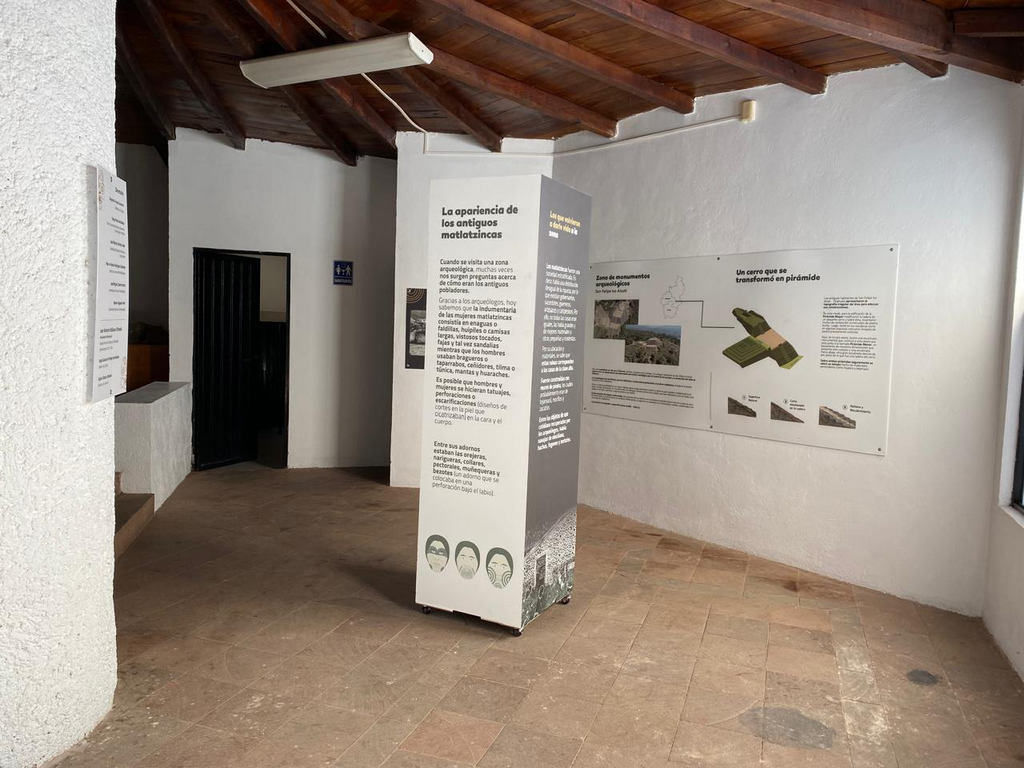
The gallery provides an overview of the site, explaining its history, location, and architectural layout. Through information and archaeological materials, it helps visitors understand the importance of the settlement during the Epiclassic period and its relationship with other regions of Mesoamerica.
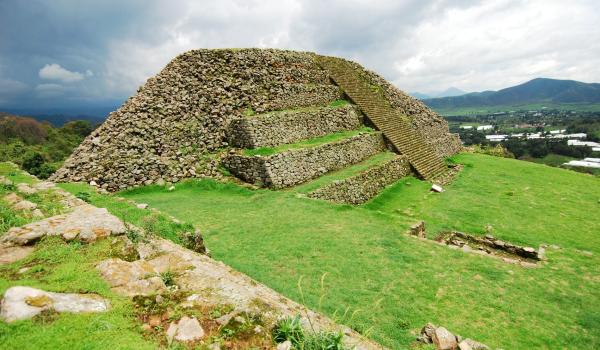
This is the visitor’s first encounter with the site and serves a fundamental role as a space for historical and cultural interpretation. Here, visitors are provided with an overview of the origin, development, and significance of this pre-Hispanic settlement, which reached its peak during the Epiclassic period, approximately between 600 and 900 AD. Through various resources such as informational panels, maps, and, in some cases, archaeological artifacts, the room helps visitors understand the context in which this ancient city developed.
One of the most important aspects addressed is the site’s strategic location on an elevated area that allowed for visual control of the surroundings, suggesting both defensive and surveillance functions. It also explains the site’s architectural layout, highlighting the presence of plazas, pyramidal foundations, and structures that likely served ceremonial, administrative, or residential purposes. This information is key to helping visitors properly interpret the remains as they tour the site.
The gallery also highlights the cultural interactions between San Felipe de los Alzati and other regions of Mesoamerica, as evidenced by certain architectural features and materials found during excavations. This suggests that the settlement was part of broader networks of cultural and commercial exchange. Similarly, the gallery showcases aspects of the daily life of its ancient inhabitants, such as pottery production and the use of stone tools.
The introductory gallery not only provides information but also prepares visitors for a more meaningful experience by offering the tools necessary to understand the site’s historical and cultural significance before exploring it firsthand.
- Dirección del Centro INAHMarco Antonio Rodriguez Espinosamarcoa_rodriguez@inah.gob.mx+52 (443) 313 2650